Precautions when choosing herbal supplements
Herbal supplements can interact with conventional medicines. Some may have strong effects. Don’t self-diagnose or self-prescribe. Talk with your healthcare provider before taking herbal supplements.
- Educate yourself. Learn as much as you can about the herbs you are taking. Talk with your provider and contact herbal supplement manufacturers for information. Pharmacists can be easy to access, reliable sources of information on the effects of herbal supplements. They can also provide helpful information about any interactions between medicines and herbal supplements
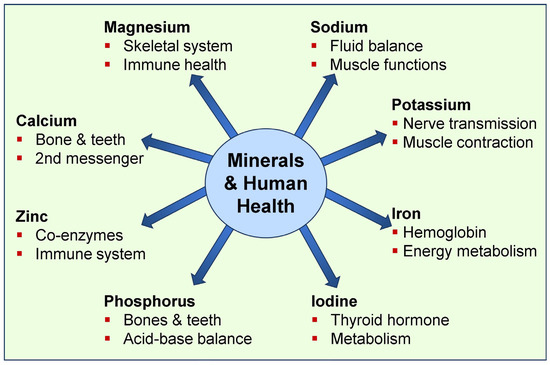
Adequate mineral balance is crucial for maintaining normal human health and preventing disease. Minerals, which are essential for sustaining various physiological functions, are classified into two main groups: (1) macrominerals, which primarily include calcium (Ca), phosphorus, magnesium (Mg), sodium, and potassium; and (2) microminerals (trace minerals), such as iron, zinc, copper, iodine, selenium, and manganese [1,2,3]. These minerals are vital for the growth and development of bones and teeth and the physiological functions of muscles and nerves. Additionally, minerals help maintain fluid balance, regulate pH levels, and serve as cofactors for numerous enzymes and coenzymes.Specific mineral ions are involved in selective functions, ranging from exerting antioxidant effects (selenium, zinc, and copper) to hormone production (iodine for thyroid hormones). Iron deficiency is one of the most prevalent nutritional deficiencies worldwide; it affects more than 25% of the global population and is a major cause of anemia [4]. Vitamin D deficiency is also widespread, with approximately 23% of children in Africa estimated to have vitamin D deficiency [5]. Iodine deficiency can lead to an enlarged thyroid gland (goiter), fatigue, weight gain, dry skin, and impaired cognitive development in children.An adequate amount of zinc is essential for physiological cellular functions. It is a cofactor for more than 600 enzymes, facilitating DNA and RNA synthesis and playing critical roles in immune function and wound healing. Zinc is also involved in protein synthesis and cell division [1]. Zinc deficiency can slow wound healing, impair oral health [6], and lead to symptoms such as loss of taste or smell, hair loss, skin lesions, and diarrhea [7]. Selenium is an antioxidant in physiological amounts that protects cells from oxidative damage caused by reactive oxygen species (ROS) and reactive nitrogen species [8]. It also supports thyroid hormone metabolism and has immunoregulatory functions [9,10]. Figure 1 illustrates several essential minerals and their fundamental functions in humans.