
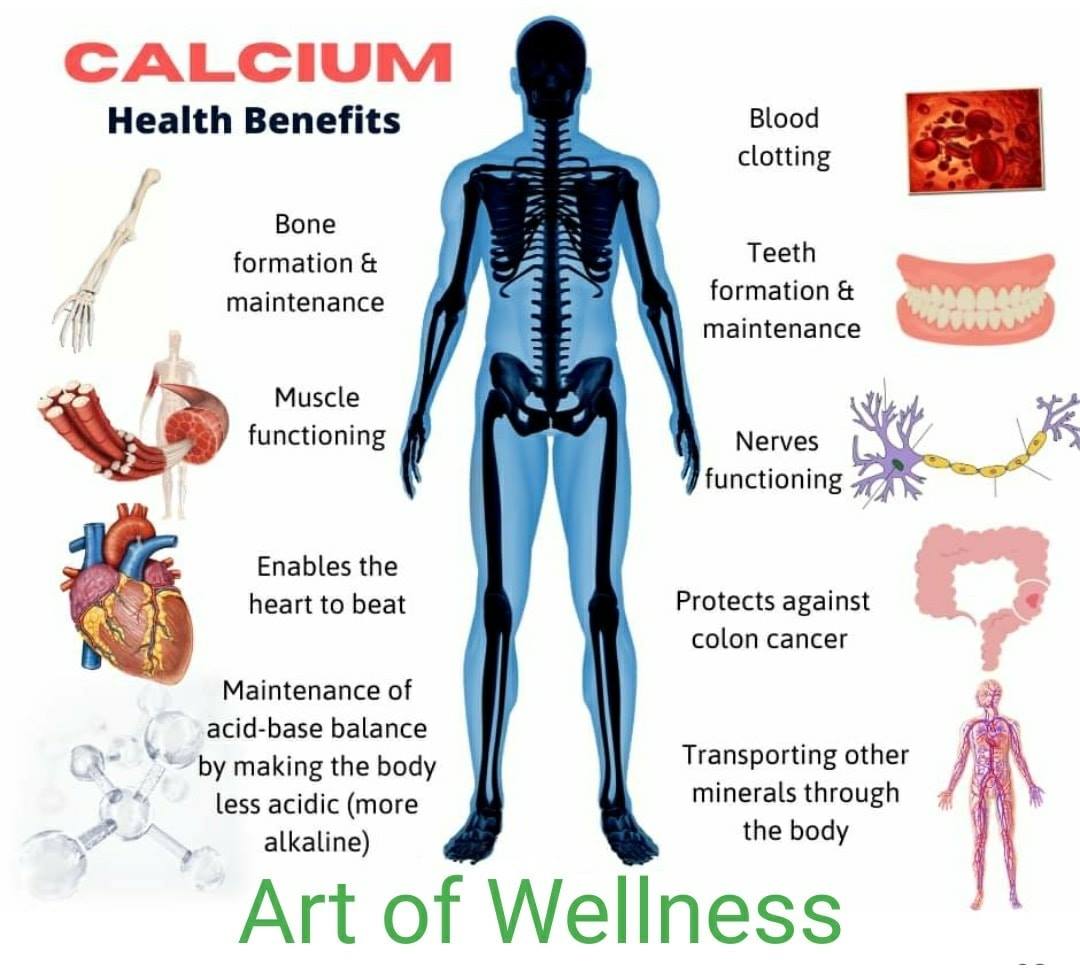
alcium is found in many multivitamin/mineral supplements, in calcium supplements, and in supplements that contain calcium and other nutrients such as vitamin D. Check the Supplement Facts label to determine the amount of calcium in the supplement.
The two main forms of calcium in dietary supplements are calcium carbonate and calcium citrate. Calcium carbonate is absorbed best when taken with food. Some over-the-counter antacids, such as Tums and Rolaids, also contain calcium carbonate.
Calcium citrate is absorbed well on an empty stomach or a full stomach. People with low levels of stomach acid—a condition most common in older people—absorb calcium citrate more easily than calcium carbonate.
Other forms of calcium in supplements and fortified foods include calcium sulfate, calcium ascorbate, calcium microcrystalline hydroxyapatite, calcium gluconate, calcium lactate, and calcium phosphate.
Calcium is absorbed best when you take 500 mg or less at one time. If you take 1,000 mg/day of calcium from supplements, for example, it is better to take a smaller dose twice a day than to take it all at once.
Calcium supplements might cause gas, bloating, and constipation in some people. If you have any of these symptoms, try spreading out the calcium dose throughout the day, taking the supplement with meals, or switching the form of calcium you take.
Am I getting enough calcium?
Many people in the United States get less than recommended amounts of calcium from food and supplements, especially:
- Children and teens age 4 to 18 years
- People who are Black or Asian
- Adults age 50 years and older living in poverty
Certain groups of people are more likely than others to have trouble getting enough calcium, including:
- Postmenopausal women. The body absorbs and retains less calcium after menopause. Over time, this can lead to fragile bones.
- People who don’t drink milk or eat other dairy products. Dairy products are rich sources of calcium, but people with lactose intolerance, people with milk allergies, and vegans (people who don’t consume any animal products) must find other sources of calcium. Options include lactose-free or reduced-lactose dairy products; canned fish with bones; certain vegetables, such as kale, broccoli, and Chinese cabbage; calcium-fortified fruit juices and milk substitutes such as soy and almond beverages, tofu, and ready-to-eat cereals; and dietary supplements that contain calcium.
What happens if I don’t get enough calcium?
Getting too little calcium can cause several conditions, including the following:
- Osteoporosis, which causes weak, fragile bones and increases the risk of falls and fractures (broken bones)
- Rickets, a disease in children that causes soft, weak bones
- Osteomalacia, which causes soft bones in children and adults
What are some effects of calcium on health?
Scientists are studying calcium to understand how it affects health. Here are several examples of what this research has shown.
Bone health in older adults
After about age 30, bones slowly lose calcium. In middle age, bone loss speeds up and can lead to weak, fragile bones (osteoporosis) and broken bones. Although bone loss is more common in women, it can affect men too.
The health of your bones is measured with a bone mineral density test, which will tell whether your bones are healthy and strong or weak and thin. Some studies have found that calcium supplements with or without vitamin D increase bone mineral density in older adults, but others do not. In addition, it is not clear whether calcium supplements help prevent fractures. More research is needed to better understand whether consuming more calcium from food or supplements improves bone health in older adults.
Cancer
Some research shows that people who have high intakes of calcium from food and supplements have a lower risk of cancers of the colon and rectum, but other studies do not. Some studies have shown that men with high intakes of calcium from dairy foods have an increased risk of prostate cancer. For other types of cancer, calcium does not appear to affect the risk of getting cancer or dying of cancer. More research is needed to better understand whether calcium from foods or dietary supplements affects cancer risk.
Heart disease
Calcium can attach to fats and reduce the amount of fat that your body absorbs. Some studies show that calcium supplements have no effect on heart disease, while others show calcium supplements might even increase the risk of heart disease. Overall, experts believe that calcium intakes with or without vitamin D from foods or supplements do not affect the risk of heart disease or of dying from heart disease. (See the section called Can calcium be harmful?)
Preeclampsia
Preeclampsia is a serious complication of late pregnancy. Symptoms include high blood pressure and high levels of protein in the urine. Calcium supplements might reduce the risk of preeclampsia in some pregnant women who consume too little calcium. Therefore, many experts recommend calcium supplements during pregnancy for women with low calcium intakes.
Weight management
Research hasn’t clearly shown whether calcium from dairy products or supplements helps you lose weight or prevents weight gain. Some studies show that consuming more calcium helps, but other studies do not. For more information, read our fact sheet on dietary supplements for weight loss.
Metabolic syndrome
Metabolic syndrome is a serious medical condition that increases your risk of heart disease, stroke, and diabetes. You have metabolic syndrome if you have three or more of the following:
- a large waistline
- high blood levels of fat (triglycerides)
- low levels of high-density lipoprotein cholesterol (good cholesterol)
- high blood pressure
- high blood sugar levels
Some research suggests that a higher intake of calcium might help lower the risk of metabolic syndrome in women but not men. More studies are needed.
Can calcium be harmful?
Some research suggests that high calcium intakes might increase the risk of heart disease and prostate cancer.
High levels of calcium in the blood and urine can cause poor muscle tone, poor kidney function, low phosphate levels, constipation, nausea, weight loss, extreme tiredness, frequent need to urinate, abnormal heart rhythms, and a high risk of death from heart disease. However, high levels of calcium in the blood and urine are usually caused by a health condition such as high levels of parathyroid hormone or cancer, not by high calcium intakes.
The daily upper limits for calcium include intakes from all sources—food, beverages, and supplements—and are listed below.
| Life Stage | Upper Limit |
|---|---|
| Birth to 6 months | 1,000 mg |
| Infants 7–12 months | 1,500 mg |
| Children 1–8 years | 2,500 mg |
| Children 9–18 years | 3,000 mg |
| Adults 19–50 years | 2,500 mg |
| Adults 51 years and older | 2,000 mg |
| Pregnant and breastfeeding teens | 3,000 mg |
| Pregnant and breastfeeding women | 2,500 mg |
Does calcium interact with medications or other dietary supplements?
Calcium dietary supplements can interact or interfere with certain medicines, and some medicines can lower calcium levels in your body. Here are some examples.
- Dolutegravir (Dovato, Tivicay) is a medicine used to treat HIV. Taking calcium supplements at the same time as dolutegravir can lower blood levels of the medicine. To help avoid this interaction, take dolutegravir 2 hours before or 6 hours after taking calcium supplements.
- Levothyroxine (Synthroid, Levoxyl, and others) is a thyroid hormone used to treat hypothyroidism and thyroid cancer. Levothyroxine is not absorbed well when taken within 4 hours of taking a calcium carbonate supplement.
- Lithium (Eskalith, Lithobid) is used to treat bipolar disorder. Long-term use of lithium, or taking lithium together with calcium supplements, can lead to abnormally high levels of calcium in your blood.
- Quinolone antibiotics (examples are ciprofloxacin [Cipro], gemifloxacin [Factive], and moxifloxacin [Avelox]) are not absorbed well when taken within 2 hours of taking a calcium supplement.